The story
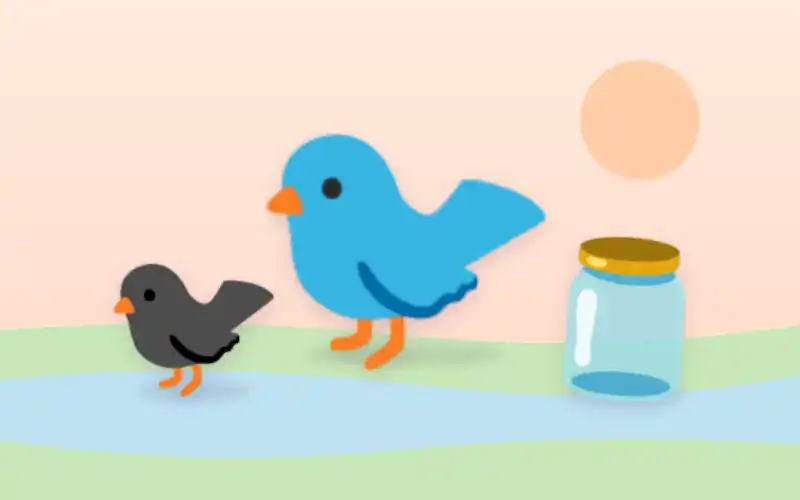
One day all the birds of the land set off to the seashore to see Garuda, the great king of birds. A little quail was flying there too, and a crow flew alongside her. “Let us go together,” said the crow, and the quail agreed.
On the way they passed over a cowherd walking along the road. On his head he carried a pot full of fresh, creamy curd. The crow’s eyes shone. Down he swooped and pecked a big beakful of curd from the pot. Then he swooped down again, and again.
“Stop it!” whispered the quail. “That curd is not ours.” But the crow only laughed and went on stealing. Then he flew back up and perched beside the quail on a branch, licking his beak.
The cowherd felt something odd and put the pot down. He saw that curd was missing and looked up into the tree. The crow, who was quick and clever, flapped off in a flash. But the little quail was slow and did not think she had done anything wrong, so she stayed where she was.
The angry cowherd saw only the quail. “So you are the thief!” he shouted, and he threw his stick up into the branches. It struck the poor quail and knocked her tumbling to the ground. Bruised and sore, she limped away. “I did nothing wrong,” she sighed, “but I chose the wrong friend to fly with — and I shared his punishment.”
Moral of the Story
Stay away from friends who do wrong, or you may be blamed along with them.
More stories on Friendship & TeamworkStories for this age
कहानी — बटेर, कौआ और दही की मटकी
एक दिन देश के सारे पक्षी पक्षियों के महान राजा गरुड़ के दर्शन करने समुद्र के किनारे की ओर चल पड़े। एक नन्ही बटेर भी वहाँ जा रही थी, और उसके साथ-साथ एक कौआ उड़ रहा था। “चलो, साथ चलते हैं,” कौए ने कहा, और बटेर मान गई।
रास्ते में वे एक ग्वाले के ऊपर से गुज़रे जो सड़क पर चल रहा था। उसके सिर पर ताज़े, मलाईदार दही से भरी मटकी थी। कौए की आँखें चमक उठीं। उसने नीचे झपट्टा मारा और चोंच भरकर दही निकाल लिया। फिर उसने दोबारा झपट्टा मारा, और फिर से।
“बस करो!” बटेर ने धीरे से कहा। “वह दही हमारा नहीं है।” पर कौआ बस हँसा और चोरी करता रहा। फिर वह ऊपर उड़कर बटेर के पास एक डाल पर बैठ गया और अपनी चोंच चाटने लगा।
ग्वाले को कुछ अजीब लगा, तो उसने मटकी नीचे रखी। उसने देखा कि दही कम हो गया है और ऊपर पेड़ की ओर देखा। तेज़ और चालाक कौआ पल भर में फुर्र से उड़ गया। पर नन्ही बटेर धीमी थी, और उसे लगा कि उसने तो कुछ ग़लत किया ही नहीं, इसलिए वह वहीं बैठी रही।
ग़ुस्साए ग्वाले को सिर्फ़ बटेर दिखी। “तो तू है चोर!” वह चिल्लाया, और उसने अपनी लाठी डालियों की ओर फेंकी। लाठी बेचारी बटेर को लगी और वह लुढ़कती हुई ज़मीन पर आ गिरी। चोट खाई, दर्द से भरी बटेर लँगड़ाती हुई चली गई। “मैंने कुछ ग़लत नहीं किया,” उसने आह भरी, “पर मैंने ग़लत दोस्त के साथ उड़ना चुना — और उसकी सज़ा मुझे भी मिली।”
कहानी की सीख
ग़लत काम करने वाले दोस्तों से दूर रहो, वरना उनके साथ तुम्हें भी दोषी ठहराया जा सकता है।
What Children Can Learn
- Choosing good company
- Speaking up and walking away
- Actions have consequences
Emotional & social lesson
If a friend is doing something wrong, it is all right to say no and walk away.
Key vocabulary
- quail
- a small, round bird that lives near the ground
- cowherd
- a person who looks after cows
- curd
- thick, soft yoghurt made from milk
- punishment
- something unpleasant given for doing wrong
Think & Answer
- What did the crow keep doing?
- Why did the cowherd blame the quail?
- What can you do if a friend asks you to join in something wrong?
Parent–child activity
Role-play: one person suggests something naughty (like taking extra biscuits without asking) and the child practises saying “No, thank you!” and walking away.
Parent / Teacher Discussion
From Book 3 of the Hitopadesha (Vigraha, “War”). In the original the quail is killed; this retelling has her hurt but safe. A useful starter for talking about peer pressure.
Try a Learning Activity
Read the story → answer the questions → practise on the Life Skills island and work towards a 🏅 Gold Medal.
FAQ
What is the moral of “The Quail, the Crow and the Pot of Curd”?
Stay away from friends who do wrong, or you may be blamed along with them.
What age is “The Quail, the Crow and the Pot of Curd” suitable for?
It suits children of about 5–10 years, read aloud or read together.